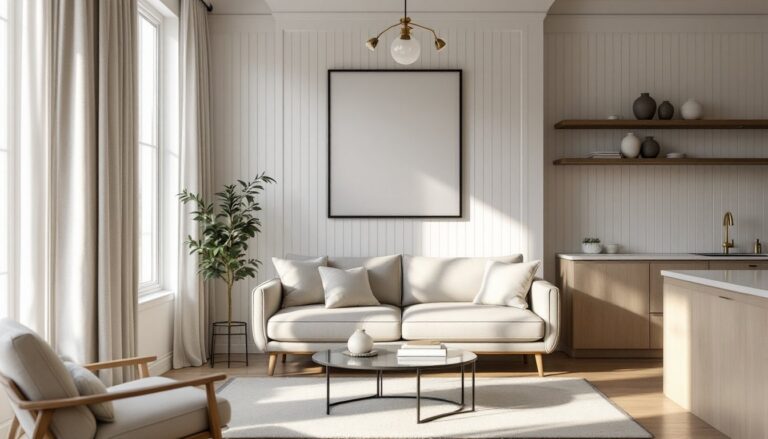
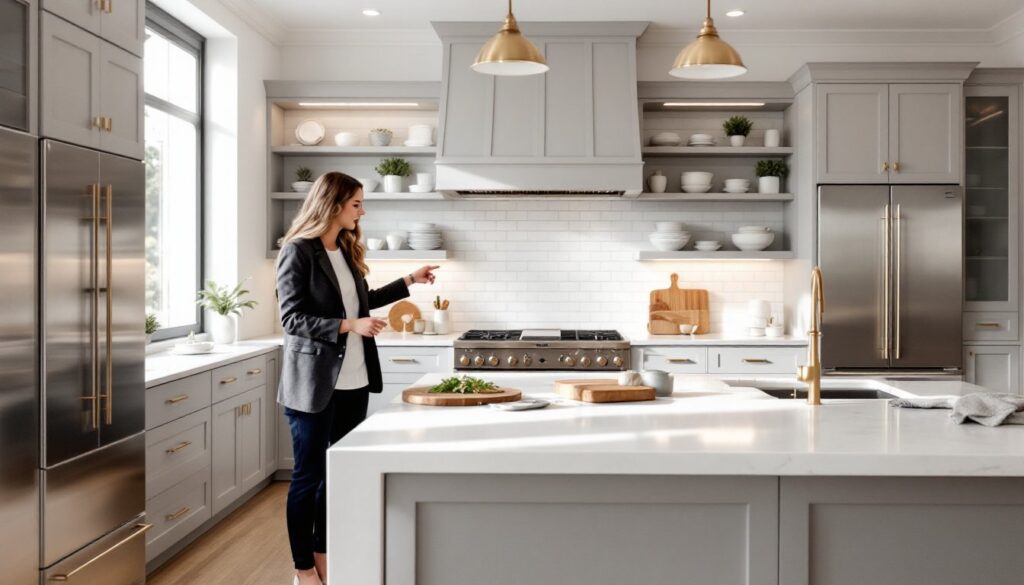
Visiting a luxury kitchen showroom isn’t just window shopping, it’s research. Whether you’re planning a full gut renovation or piecing together a high-end remodel, showrooms offer something online galleries can’t: tactile experience. You’ll see how quartzite countertops catch light differently than photos suggest, how soft-close drawer mechanisms actually feel, and whether that waterfall island edge detail works at the scale you’re imagining.
But walking into a showroom without a plan wastes everyone’s time. The best visits involve assignments, a list of questions, and realistic expectations about what translates from a staged display into your actual home. This guide walks through what to expect, what to prioritize, how to prepare, and how to turn inspiration into actionable renovation plans.
Table of Contents
ToggleKey Takeaways
- A luxury kitchen showroom visit provides tactile experience and material testing that online galleries cannot match, helping you visualize how finishes, hardware, and appliances work together in your actual space.
- Prepare for your showroom visit by bringing accurate kitchen measurements, a basic floor plan, current photos, and a realistic budget of $75,000 to $150,000+ to help consultants recommend appropriate solutions.
- Inspect premium cabinetry construction details such as dovetail drawer boxes, soft-close hinges, adjustable shelving, and inset door styles—features that distinguish high-end kitchens and justify their higher cost.
- Scale showroom inspiration to match your home’s actual dimensions and constraints, including ceiling height, plumbing locations, and load-bearing walls, rather than replicating idealized displays.
- Request material samples to take home and view cabinet finishes, countertops, and backsplash tiles in your own kitchen lighting before committing, as showroom LED spotlights differ dramatically from natural light conditions.
- Ask showroom consultants about lead times (12-24+ weeks for custom cabinetry), installation requirements, warranty coverage, and customization limits to understand the full scope before finalizing your luxury kitchen renovation plan.
What to Expect When Visiting a Luxury Kitchen Showroom
High-end kitchen showrooms typically showcase full vignettes, not just cabinet samples on a wall. Expect to see complete kitchen layouts with functioning appliances, installed lighting, and coordinated finishes. These aren’t mock-ups, they’re designed to show how materials, hardware, and appliances work together in a cohesive space.
Most luxury showrooms operate by appointment only or with dedicated design consultants who’ll walk you through displays. Unlike big-box stores, you won’t grab a cart and browse solo. Consultants assess your project scope, budget range, and style preferences before steering you toward relevant displays. This isn’t sales pressure, it’s efficiency. They’ve seen hundreds of kitchens and know which configurations work for galley layouts versus open-plan designs.
Showrooms often feature material libraries with full-size door samples, countertop slabs, backsplash tiles, and hardware finishes. You’ll handle actual cabinet door weights, test drawer glides, and compare wood grain patterns side by side. Bring fabric swatches, paint chips, or flooring samples from your home, matching undertones in showroom lighting prevents costly mismatches later.
Some showrooms include working kitchens where they host cooking demos or design workshops. These spaces demonstrate how professional-grade ranges perform, how much clearance a 48-inch refrigerator actually requires, and whether that pot filler over the cooktop is practical or just decorative. Pay attention to the details homeowners implementing high-end interior design often overlook in renderings.
Top Features to Look for in High-End Kitchen Displays
Start with the layout and workflow. High-end kitchens aren’t just pretty, they’re engineered around the work triangle (sink, range, refrigerator) with proper clearances. The National Kitchen & Bath Association recommends 42 to 48 inches of aisle width in working areas: luxury designs often exceed this for comfort. Notice whether the showroom kitchens demonstrate logical prep zones, landing space beside appliances, and whether the island placement obstructs traffic flow.
Examine integrated appliances. Panel-ready refrigerators, dishwashers, and even range hoods that blend seamlessly with cabinetry define luxury kitchens. Check how panels attach, whether hardware aligns, and if service access is still practical. A fully integrated dishwasher looks cleaner than a stainless front, but you’ll pay $2,000 to $4,000 more for comparable performance.
Look beyond the luxury design trends you see in magazines to assess lighting layering. Quality showrooms demonstrate task lighting (under-cabinet LED strips), ambient lighting (recessed cans or pendants), and accent lighting (in-cabinet or toe-kick LEDs). Count how many circuits control different zones, luxury kitchens typically run three to five separate lighting circuits with dimmer controls.
Inspect hardware and hinges closely. Soft-close mechanisms should operate silently with minimal resistance. Pull out a few drawers fully, quality undermount slides extend completely and hold 75 to 100 pounds without sagging. European-style hinges should adjust in three directions for perfect door alignment. These details separate $15,000 cabinetry from $50,000 cabinetry.
Premium Cabinetry and Custom Storage Solutions
Full-overlay, inset, or beaded inset door styles define high-end cabinetry. Full-overlay doors cover the cabinet frame almost entirely: inset doors sit flush within the frame and require precise construction. Beaded inset adds decorative trim around the frame opening. Inset construction costs 30 to 50 percent more than overlay but delivers a furniture-quality appearance.
Custom storage solutions make luxury kitchens functional. Look for pull-out spice racks, vertical tray dividers, appliance garages with tambour doors, and drawer organizers cut to exact utensil dimensions. Premium showrooms display corner solutions beyond the basic Lazy Susan: LeMans units, Magic Corners, or dedicated appliance pantries with independent lighting.
Examine drawer box construction. Dovetail or doweled solid wood boxes with 5/8-inch or 3/4-inch sides outlast stapled plywood. Drawer bottoms should be 1/2-inch plywood captured in grooves, not thin panels tacked on. Lift a drawer out, quality boxes feel substantial, with finish on all interior surfaces. Many designers studying sophisticated interior elements prioritize these structural details over surface finishes.
Check if showroom cabinets demonstrate adjustable shelving with metal shelf pins or European-style supports. Fixed shelves limit future flexibility. Shelves themselves should be 3/4-inch plywood with finished edges, not particleboard with edge banding that chips over time.
How to Prepare for Your Luxury Kitchen Showroom Visit
Bring accurate measurements of your existing kitchen. Note ceiling height, window and door locations, existing plumbing and gas line positions, and any structural elements like support posts or soffits. Sketch a basic floor plan with dimensions, it doesn’t need CAD precision, but should include distances between walls, locations of electrical outlets, and any permanent features that won’t move.
Photograph your current kitchen from multiple angles, including adjacent rooms if you’re considering an open-plan renovation. Capture problem areas: corners that waste space, awkward transitions, or circulation bottlenecks. These photos give consultants context for recommending solutions rather than just selling displays.
Establish a realistic budget range before stepping inside. High-end kitchen renovations typically run $75,000 to $150,000+ for materials and installation in a 150 to 200 square foot space, with custom cabinetry alone consuming $30,000 to $60,000 of that total. Consultants work more effectively when they know whether you’re targeting $100K or $250K, it changes every recommendation from countertop material to appliance packages.
Research custom home design approaches beforehand to articulate your style preferences. Create a folder of inspiration images, but organize them by specific elements: cabinet door styles, hardware finishes, island configurations, or backsplash patterns. Saying “I like modern farmhouse” means different things to different people: showing five examples of soapstone counters with brass fixtures communicates clearly.
Compile a list of must-haves versus nice-to-haves. Must-haves might include a 36-inch range, pot filler, or walk-in pantry. Nice-to-haves could be warming drawers, wine fridges, or statement range hoods. This hierarchy helps consultants prioritize where to allocate budget when compromises become necessary.
Questions to Ask Showroom Design Consultants
Start with lead times and availability. Custom cabinetry currently runs 12 to 20 weeks from order to delivery, with some European manufacturers stretching to 24+ weeks. Appliances, especially professional-grade ranges or integrated refrigerators, can add another 8 to 16 weeks. Ask if displayed models are in stock or special order, and whether supply chain issues affect specific brands.
Ask about installation requirements. Does the cabinetry manufacturer provide installation, or will you hire separately? Some high-end brands require factory-certified installers: others work with local contractors. Clarify what’s included: Will installers handle electrical or plumbing modifications, or just cabinetry? Do they template and install countertops, or does that require a separate stone fabricator?
Question warranty coverage in detail. Cabinet warranties vary from limited lifetime on boxes to just five years on finishes. Appliance warranties differ dramatically, a standard one-year parts and labor is inadequate for a $10,000 range. Ask which components have extended coverage, what voids the warranty (incorrect installation is common), and who handles service calls.
Dig into customization limits. Can they modify standard cabinet heights, depths, or widths? What’s the upcharge for non-standard dimensions, usually 15 to 25 percent over stock sizes? Will they match existing architectural details, create custom range hoods, or build furniture-style islands with turned legs? Understanding flexibility prevents disappointment when translating inspiration to your space.
Ask about material sourcing and finishes. Where does the wood come from? How are finishes applied, sprayed lacquer, catalyzed conversion varnish, or oil? Can you see actual samples aged under UV exposure? Wood tones shift over time: consultants familiar with sophisticated kitchen styling should discuss how cherry darkens or maple yellows with age.
Translating Showroom Inspiration into Your Home Renovation
Showrooms display idealized conditions: perfect 10-foot ceilings, symmetrical walls, abundant natural light, and unlimited budgets. Your home has load-bearing walls, HVAC ducts, and a realistic budget. Start by identifying which showroom elements address actual problems in your current kitchen rather than just looking impressive.
Work with the consultant to scale ideas appropriately. That stunning 8-foot island works in a 400-square-foot showroom kitchen: in your 180-square-foot galley, it creates a chokepoint. Ask for scaled drawings showing how specific elements fit your dimensions. Most luxury showrooms provide CAD renderings as part of the design consultation, insist on seeing your actual space, not just modified showroom layouts.
Prioritize structural and mechanical realities early. Moving plumbing or gas lines adds $1,500 to $3,000 per fixture to budgets. Removing walls requires engineer approval if load-bearing. Upgrading to a 48-inch range might need electrical service upgrades from 100 to 200 amps, a $2,000+ project. Identify these constraints before finalizing design details.
Adapt finishes and materials to your maintenance tolerance. That showroom with honed Carrara marble looks incredible, but marble etches from lemon juice and wine. If you cook aggressively, leathered granite or quartzite offers similar aesthetics with better durability. Showroom consultants should ask about your cooking habits, not just style preferences.
Consider whether DIY elements can offset costs. Homeowners exploring personalized home projects sometimes handle demolition, painting, or tile installation themselves while leaving cabinetry and countertops to professionals. Ask consultants which trades require licensing in your jurisdiction, electrical and plumbing typically do: tile and finish carpentry often don’t, depending on local codes.
Request material samples to take home. View cabinet door finishes, countertop remnants, and backsplash tiles in your actual kitchen lighting at different times of day. Colors shift dramatically between showroom LED spotlights and your north-facing kitchen window. Most showrooms loan samples for 48 to 72 hours, use that time to assess how materials interact with your existing flooring, wall colors, and natural light patterns. Gathering ideas from resources like Home Bunch can help you compare various design approaches before committing.
Conclusion
Luxury kitchen showrooms offer more than eye candy, they’re laboratories where you test materials, mechanisms, and spatial relationships before spending six figures. Approach visits strategically: prepare measurements and budgets, ask pointed questions about installation and warranties, and focus on translating inspiration into your home’s specific constraints. The goal isn’t replicating a showroom display: it’s extracting the elements that solve your functional problems while delivering the aesthetic you want.