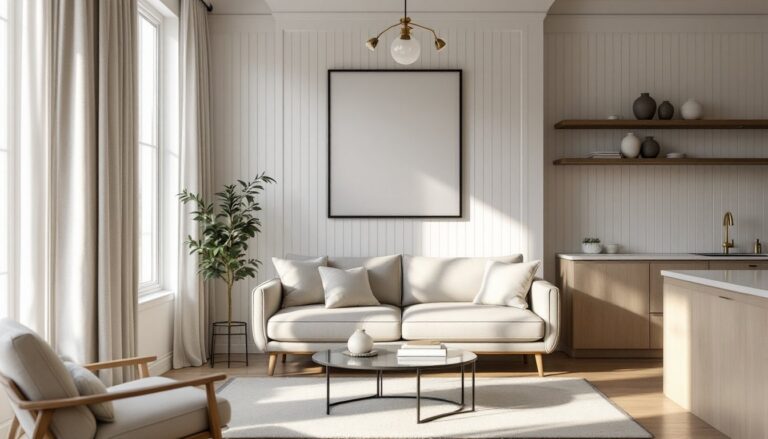

High-end wall art does more than fill empty space, it defines the character of a room, anchors a design scheme, and serves as a conversation starter. Unlike mass-produced prints, luxury wall art brings originality, craftsmanship, and visual weight that can elevate even the most basic room into something memorable. Whether installing an original oil painting, a sculptural metal piece, or a museum-quality print, the right art changes how a space feels. This guide covers what separates luxury wall decor from standard options, which types work best in different rooms, and how to select, install, and maintain pieces that’ll hold their value and impact for years.
Table of Contents
ToggleKey Takeaways
- Luxury wall art decor is defined by original craftsmanship, premium materials, and authenticity—including certificates of provenance and hand-crafted framing—rather than price alone.
- Scale matters significantly: hang pieces at gallery height (57–60″ from floor) and choose art that covers two-thirds to three-quarters of your sofa width or at least 48″ for a king bed.
- Original paintings, giclée prints on archival paper, and sculptural installations each bring distinct visual impact, with originals offering texture and 3D pieces adding dimension and light play.
- Protect your investment with UV-filtering glass, acid-free matting, climate control (40–55% humidity), and careful installation into wall studs using proper hardware like French cleats for pieces over 50 lbs.
- Integrate luxury wall art decor thoughtfully into your room’s design by pulling accent colors into textiles, avoiding direct sunlight, and using picture lighting to enhance texture and color.
- Annual maintenance including gentle dusting, hardware inspections, and professional conservation when needed preserves both the artwork’s appearance and long-term value.
What Defines Luxury Wall Art Decor?
Luxury wall art isn’t about the price alone, it’s about materials, provenance, craftsmanship, and originality. Here’s what sets high-end pieces apart from decorative posters or canvas prints:
Original works carry artist signatures and often come with certificates of authenticity. An original painting, whether oil, acrylic, or mixed media, has texture, brushwork, and a one-of-a-kind presence that reproductions can’t match.
Limited-edition prints from recognized artists or printmakers (numbered and signed) offer exclusivity without the cost of an original. Giclée prints on archival paper or canvas use museum-grade inks that resist fading for decades.
Premium materials matter. Expect hand-carved wood frames, acid-free matting, UV-protective glazing, or metal finishes like brushed brass and patinated bronze. Sculptural pieces may use solid walnut, hand-forged steel, or cast resin.
Scale and framing quality also separate luxury from standard decor. Large-format pieces (36″ × 48″ or bigger) command attention and require custom framing with proper mounting to prevent warping. Cheap frames sag over time: high-end frames use mortise-and-tenon joinery or welded metal corners.
Pieces that integrate into luxury homes interior often reflect a cohesive design vision rather than standalone decoration. They’re chosen to complement architectural details, crown molding, coffered ceilings, or exposed beams, and work with the room’s color palette and lighting.
Types of Luxury Wall Art for Every Room
Original Paintings and Fine Art Prints
Original oil and acrylic paintings bring depth and texture that prints can’t replicate. Look for works on stretched linen canvas or cradled wood panels, both hold up better than cotton canvas over time. Oil paintings need months to fully cure: if buying direct from an artist, confirm the piece is dry enough to frame and hang.
Fine art prints, including etchings, lithographs, and screenprints, offer collectibility at a lower entry point. Giclée prints made with pigment-based inks on archival cotton rag paper (like Hahnemühle or Moab) maintain color accuracy for 100+ years when displayed out of direct sunlight.
For living rooms and dining areas, abstract works or landscapes in neutral tones with metallics (gold leaf, copper accents) pair well with both modern and traditional furniture. Bedrooms often benefit from calmer palettes, soft blues, warm grays, muted greens.
Professional framing is non-negotiable for originals. Use acid-free matting to prevent discoloration, and ask for UV-filtering acrylic (like Tru Vue Museum Glass) instead of standard glass, which blocks only 45% of UV rays. Many design publications, including Architectural Digest, feature galleries showcasing how top designers integrate fine art into cohesive room layouts.
Sculptural and 3D Wall Installations
Sculptural wall art adds dimension and plays with light in ways flat pieces can’t. Options include:
- Metal wall sculptures: Hand-welded steel, brushed aluminum, or antiqued brass panels create shadow and movement. Look for pieces with a clear mounting system, D-rings or French cleats rated for the weight.
- Wood relief carvings: Solid walnut, teak, or reclaimed wood carved into geometric patterns or organic forms. Ensure the wood is kiln-dried to 6–8% moisture content to prevent cracking or warping.
- Mixed-media installations: Combinations of metal, glass, resin, or fabric stretched over frames. These work well in modern or industrial spaces.
Install sculptural pieces on interior walls, not exterior-facing ones subject to temperature swings or humidity. Large metal pieces (over 30 lbs) need toggle bolts or screws driven into wall studs behind drywall. For plaster walls, use expansion anchors rated for at least 1.5× the artwork’s weight.
Entryways and hallways are prime spots for 3D installations, they catch light from multiple angles as people move through the space. In open-concept homes, a large sculptural piece can visually separate living and dining zones without blocking sightlines.
How to Choose the Right Luxury Wall Art for Your Home
Start by measuring the wall and mapping out furniture placement. A common mistake is choosing art that’s too small, over a sofa, aim for a piece (or grouping) that’s two-thirds to three-quarters the width of the sofa. For a king bed, a single piece should be at least 48″ wide, or use a diptych/triptych spanning 60–72″.
Scale and proportion depend on ceiling height, too. In rooms with 10’+ ceilings, vertical pieces (48″ × 72″ or taller) balance the space better than horizontal ones. Use painter’s tape to outline the dimensions on the wall before committing.
Color and style alignment matters more than matching exactly. Pull one or two accent colors from the art into throw pillows, rugs, or window treatments. In neutral rooms (grays, whites, taupes), bold art in jewel tones or metallics adds focal interest. In colorful spaces, black-and-white photography or monochromatic abstracts provide visual rest.
Consider the room’s function and lighting. Kitchens and bathrooms need art sealed behind glass or acrylic to protect from humidity and grease. Avoid direct sunlight on any original work, UV exposure fades pigments over time. If a wall gets afternoon sun, use UV-filtering window film or rotate the art seasonally.
For homes with carefully planned luxury custom homes interiors, commission custom pieces that reflect architectural details, pulling colors from stone countertops, cabinetry, or tile work. Many artists work from photos and material samples to create cohesive designs.
Budget realistically. Original works from emerging artists start around $1,500–$5,000: established names run $10,000+. Limited-edition prints range from $300–$2,000 depending on edition size and artist reputation. Custom framing for a 40″ × 60″ piece typically costs $400–$900 with museum-grade materials.
Installation and Placement Tips for Maximum Impact
Proper installation prevents damage to both the wall and the artwork. Here’s how to do it right:
Find the studs. Use a stud finder to locate 16″ or 24″ on-center framing behind drywall. For pieces over 20 lbs, always anchor into studs with #8 or #10 wood screws (at least 2″ long). Toggle bolts work for hollow walls, but studs are stronger.
Hang at the right height. The center of the artwork should sit at 57–60″ from the floor, standard gallery height. Measure from the floor to 58″, mark lightly with pencil, then measure up from that mark to account for the hanging wire or D-ring position.
Use appropriate hardware:
- D-rings and wire: For framed pieces under 50 lbs. Attach D-rings one-third down from the top edge, and use braided stainless steel picture wire rated for 1.5× the frame weight.
- French cleats: Best for heavy sculptural pieces or large frames (50+ lbs). A cleat distributes weight across multiple studs and allows easy leveling. You can buy pre-made cleats or rip a 1×4 at a 45° bevel.
- Mirror clips or J-hooks: For frameless acrylic or metal panels.
Safety note: Wear safety glasses when drilling into walls, older homes may have lead paint or plaster dust. Use a bubble level (24″ or longer) to ensure the piece hangs straight: eyeballing it rarely works.
In rooms featured in Elle Decor and similar publications, designers often create gallery walls with multiple pieces. Space frames 2–4″ apart for a cohesive look, and use a paper template taped to the wall to finalize placement before driving any screws.
Lighting makes a difference. Picture lights (battery-operated LED or hardwired) mounted to the frame or wall highlight texture and color. Adjustable track lighting works for larger collections, but avoid hot halogen bulbs, they generate UV rays and heat that damage art over time.
Caring for and Maintaining High-End Wall Art
Luxury art is an investment, and proper care preserves both appearance and value.
Dust regularly but gently. Use a soft microfiber cloth or a natural-bristle brush (like a clean makeup brush) to remove dust from frames and glass. For unframed canvas, dust lightly, never press hard or use water. Metal sculptures can be wiped with a barely damp cloth: dry immediately to prevent water spots.
Control humidity and temperature. Keep indoor humidity between 40–55%. Higher levels encourage mold on canvas or paper: lower levels cause wood frames to crack. Use a hygrometer to monitor conditions, especially in basements or coastal homes. Avoid hanging art over fireplaces, radiators, or air vents.
Inspect annually. Check for:
- Frame separation at corners (especially on larger pieces)
- Discoloration of matting or canvas edges
- Wire or D-ring corrosion
- Sagging or bowing in stretched canvas
Re-tighten hanging hardware as needed. If a canvas sags, a professional framer can re-stretch it on the frame.
Clean glass and acrylic carefully. Spray cleaner onto a microfiber cloth, never directly onto the glass, to prevent moisture seeping under the frame. Use ammonia-free cleaner on acrylic glazing (ammonia causes hazing). For works integrating into luxury homes interior design, periodic professional cleaning ensures pieces maintain their visual impact.
When to call a professional: Any signs of mold, flaking paint, or canvas tears require a conservator. Likewise, if a heavy frame feels loose or the mounting system is questionable, hire an art installer to assess and re-hang it safely. Featured homes on Home Bunch often show how well-maintained art collections become long-term focal points that appreciate alongside the home itself.