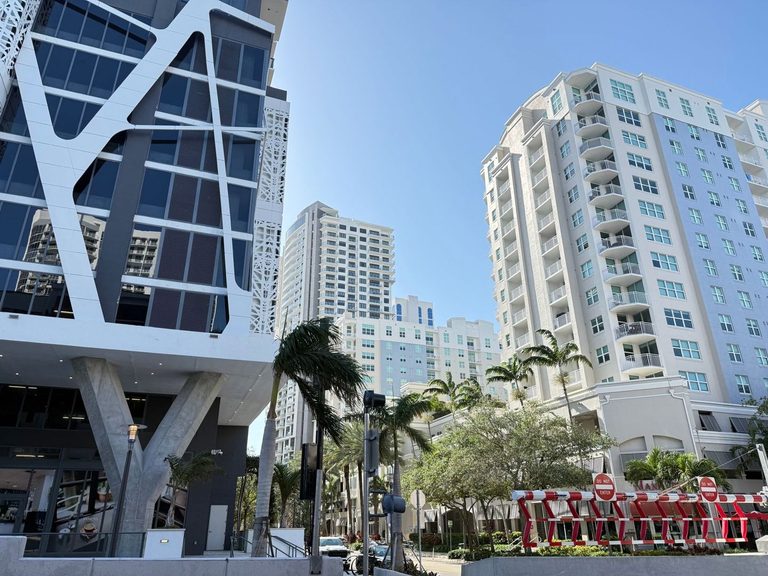
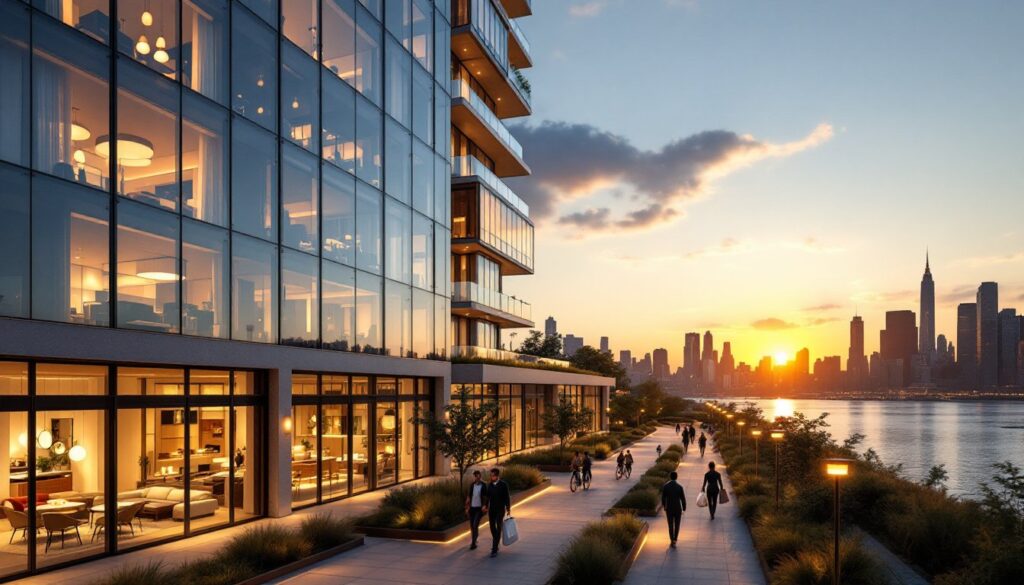
Hell’s Kitchen has shed its gritty past and emerged as one of Manhattan’s most desirable neighborhoods for luxury living. Once known for tenement walk-ups and dive bars, this Midtown West enclave now hosts sleek high-rises with rooftop pools, doorman service, and floor-to-ceiling windows overlooking the Hudson River. The transformation didn’t happen overnight, decades of rezoning, new construction, and the influx of restaurants and theaters have turned Hell’s Kitchen into a neighborhood where professionals, creatives, and empty-nesters compete for upscale units. For anyone considering a move to Manhattan or a high-end rental upgrade, understanding what defines luxury here, and what you’ll actually pay in 2026, is essential before signing a lease or purchase agreement.
Table of Contents
ToggleKey Takeaways
- Hell’s Kitchen has transformed into a premier destination for luxury apartments, offering high-rises with premium amenities, doorman service, and unobstructed Hudson River views in a walkable Midtown West location.
- Luxury apartments in Hell’s Kitchen feature high-end finishes like quartz or marble countertops, 9–11-foot ceilings, floor-to-ceiling windows, and in-unit washer-dryer hookups as standard requirements.
- Studio rentals in Hell’s Kitchen range from $3,200–$4,500 monthly, while one-bedroom condos start around $850,000, with prices varying significantly based on views, building amenities, and proximity to the waterfront.
- Top-tier buildings like The Orion, Sky, and The Eugene offer full-floor penthouses, rooftop pools, fitness centers, and concierge services that define the modern luxury apartment experience in the neighborhood.
- The neighborhood’s proximity to Broadway theaters, Lincoln Center, the Intrepid Museum, and Hudson River Park, combined with extensive transit access, creates an unmatched lifestyle for professionals and creatives seeking urban living.
- When personalizing a luxury apartment, renters should focus on removable solutions like artwork and motorized shades, while condo owners can undertake full renovations with proper board approval and NYC permits.
Why Hell’s Kitchen Is the Premier Destination for Luxury Living
Location drives everything in New York real estate, and Hell’s Kitchen delivers on multiple fronts. Bounded roughly by 34th Street to the south, 59th Street to the north, Eighth Avenue to the east, and the Hudson River to the west, the neighborhood puts residents within walking distance of Times Square, Lincoln Center, and Hudson Yards.
The Theater District sits on Hell’s Kitchen’s doorstep, making pre-show dinners and post-curtain drinks a five-minute walk instead of a cross-borough commute. Broadway professionals, entertainment industry workers, and theatergoers have driven demand for upscale housing here for years.
Transit access is another major draw. The A, C, E, N, Q, R, W, 1, 2, 3, and 7 trains all run through or near the neighborhood, connecting residents to Lower Manhattan, the outer boroughs, and regional transit hubs. The Port Authority Bus Terminal at 42nd Street handles intercity and commuter buses, while Penn Station provides Amtrak, LIRR, and NJ Transit service.
Waterfront access sets Hell’s Kitchen apart from other Midtown neighborhoods. The Hudson River Park greenway offers miles of bike paths, piers, and waterfront seating, amenities that landlords and condo developers highlight in marketing materials because they genuinely add value. Residents can jog along the river at sunrise or watch the sunset over New Jersey without leaving the neighborhood.
Rezoning initiatives over the past two decades have allowed developers to build taller, denser residential towers, many of which include ground-floor retail and publicly accessible plazas. This shift has replaced older low-rise buildings with modern glass-and-steel structures, fundamentally changing the neighborhood’s skyline and rental market.
What Defines a Luxury Apartment in Hell’s Kitchen
In Hell’s Kitchen, “luxury” isn’t just a marketing term, it refers to a specific set of features, finishes, and services that justify premium rents and sale prices. Expect units with hardwood or engineered wood flooring, not builder-grade laminate. Kitchen countertops will be quartz, granite, or marble, with integrated appliances from brands like Bosch, Sub-Zero, or Miele.
Ceiling heights matter. True luxury units typically offer 9- to 11-foot ceilings with oversized windows, often floor-to-ceiling, to maximize natural light and views. South- and west-facing units command premiums because they overlook the Hudson River or offer unobstructed Midtown vistas.
Bathrooms feature porcelain or ceramic tile with designer fixtures, rainfall showerheads, and deep soaking tubs in larger units. Heated floors are increasingly common, as are double vanities in master baths. Closet systems from California Closets or similar outfitters provide built-in organization that renters and buyers expect at this price point.
In-unit washer-dryer hookups or full-size stackable units are standard in new construction. Older luxury conversions may still rely on communal laundry, which is a red flag if you’re comparing buildings.
Premium Amenities and Features
Building-wide amenities distinguish luxury properties from standard high-rises. Look for 24-hour doorman and concierge service, package rooms with refrigerated storage for grocery deliveries, and attended lobbies with seating areas designed by name-brand architecture firms.
Fitness centers should include free weights, cardio equipment, and dedicated yoga or spin studios, not just a treadmill in a basement corner. Some buildings contract with Equinox or other premium gym operators to manage these spaces.
Rooftop decks with grilling stations, fire pits, and lounge seating are nearly universal in new Hell’s Kitchen luxury buildings. Many also feature lap pools, hot tubs, and cabanas, though maintaining these facilities drives up monthly common charges or HOA fees.
Pet-friendly policies are the norm, often with dedicated dog runs or wash stations. Co-working lounges, private screening rooms, and guest suites for visitors round out the amenity roster. Buildings targeting families may include children’s playrooms, though Hell’s Kitchen skews more toward young professionals and couples without kids.
Top Buildings and Developments for Luxury Apartments
Several high-profile developments have set the standard for luxury urban homes in Hell’s Kitchen. The Orion, a 58-story condominium tower at 350 West 42nd Street, offers full-floor penthouses and duplex units with private terraces. Its amenity package includes a landscaped sundeck, attended parking garage, and chef’s catering kitchen for private events.
Sky at 605 West 42nd Street is a rental building with studios to three-bedrooms, floor-to-ceiling windows, and a rooftop pool deck with Hudson River views. The building’s location near the Intrepid Museum and Pier 84 appeals to renters who prioritize waterfront access.
The Eugene, a new-construction condo at 435 West 31st Street, targets buyers with larger floor plans and direct Hudson Yards proximity. Units feature white oak flooring, Calacatta marble countertops, and Gaggenau appliances. The building includes a golf simulator, basketball court, and children’s playroom, unusual for this neighborhood.
For renters, Silver Towers at 600 West 42nd Street combines two high-rise buildings with over 1,300 units. The complex includes a landscaped plaza, basketball and tennis courts, and a resident-only shuttle to Midtown offices. It’s one of the few Hell’s Kitchen properties with on-site parking that doesn’t require a separate monthly fee.
The Galerie at 539 West 52nd Street is a boutique condo conversion with just 33 units, each featuring custom millwork and private outdoor space. Smaller buildings like this appeal to buyers seeking a more intimate feel than a 500-unit tower provides.
Price Ranges and What to Expect in 2026
As of early 2026, luxury studio apartments in Hell’s Kitchen rent for $3,200 to $4,500 per month, depending on building amenities and views. One-bedrooms range from $4,500 to $6,500, while two-bedrooms start around $6,000 and climb past $9,000 for units with outdoor space or river views.
Purchase prices for condos vary widely. A one-bedroom in a doorman building typically starts around $850,000, with premium units in new construction exceeding $1.2 million. Two-bedroom condos range from $1.3 million to $2.5 million, and three-bedrooms in top-tier buildings can reach $3 million to $5 million or more.
Monthly common charges for condos average $1.20 to $1.80 per square foot, covering building staff, amenities, and reserves for capital improvements. Co-ops are less common in Hell’s Kitchen, but where they exist, maintenance fees run higher because they include property taxes.
Rental concessions, once standard during the pandemic, have largely disappeared in 2026 as demand rebounded. Some landlords offer one month free on a 12- or 13-month lease, but expect to pay first month, last month, and a security deposit equal to one month’s rent upfront.
Broker fees remain a point of contention. In New York, tenants typically pay the broker 15% of the annual rent (1.75 months’ rent) unless the landlord covers it. Clarify this before viewing apartments to avoid surprises.
Property taxes on condos in Hell’s Kitchen average 0.88% to 1.15% of assessed value annually, though the assessed value often lags behind market value. New developments sometimes carry 421-a tax abatements that phase out over 10 to 25 years, temporarily reducing tax bills.
Designing Your Hell’s Kitchen Luxury Apartment
Most luxury rentals and condos in Hell’s Kitchen arrive with high-end finishes already installed, but personalizing the space requires careful planning, especially if you’re renting and can’t make permanent alterations.
For renters, focus on removable solutions. Command strips, tension rods, and freestanding furniture allow you to add personality without violating lease terms. Many buildings prohibit painting without landlord approval, so invest in quality artwork, textiles, and lighting instead.
Window treatments deserve special attention in glass-walled apartments. Motorized roller shades or sheer curtains filter light without blocking views, and they’re easier to install than traditional drapery hardware. Blackout shades in bedrooms are essential if your unit faces Times Square or another brightly lit area.
Kitchen organization matters in smaller luxury units where cabinet space is limited. Pull-out drawer organizers, lazy Susans, and vertical dividers for baking sheets maximize usable space. If your building allows it, under-cabinet LED strip lighting improves task lighting without requiring electrical work.
Bathroom upgrades in rentals are limited, but swapping out the showerhead for a handheld or rain-style model (keep the original to reinstall before moving out) makes a noticeable difference. Non-slip bath mats and freestanding storage carts add functionality without permanent changes.
For condo owners, full renovations are possible but require board approval and permits. Combining kitchens and living areas by removing non-load-bearing walls is popular in older conversions, but this requires a structural engineer’s sign-off and a licensed contractor. The NYC Department of Buildings mandates permits for any work involving plumbing, electrical, or structural changes.
Flooring replacements are common in older luxury units. Engineered hardwood over the existing subfloor is easier to install than solid wood and performs better in high-rise buildings where humidity fluctuates. Porcelain tile that mimics marble or concrete is another durable option, especially in bathrooms and entryways.
According to Architectural Digest, many designers recommend neutral base palettes with bold accent pieces in urban apartments to maintain resale or re-rental appeal. Custom millwork, floating shelves, and built-in banquettes add character without overwhelming small square footage.
Living the Hell’s Kitchen Lifestyle: Dining, Culture, and Convenience
Hell’s Kitchen’s dining scene rivals any Manhattan neighborhood. Ninth Avenue serves as the neighborhood’s culinary spine, with everything from Michelin-starred restaurants to family-run Thai, Mexican, and Italian spots. Pre-theater dining is a neighborhood specialty, with restaurants offering prix-fixe menus timed to curtain calls.
Grocery access is better than in many Manhattan neighborhoods. Whole Foods at Columbus Circle sits on the neighborhood’s northern edge, while smaller markets like Gourmet Garage and multiple bodegas provide everyday staples. The Hell’s Kitchen Flea Market at 39th Street and 9th Avenue runs weekends from spring through fall, offering produce, prepared foods, and vintage goods.
Nightlife ranges from dive bars that predate the neighborhood’s gentrification to upscale cocktail lounges and rooftop bars. The proximity to luxury city homes in Hudson Yards and Midtown West means the neighborhood attracts a mix of locals and visitors.
Cultural amenities extend beyond Broadway. The Intrepid Sea, Air & Space Museum at Pier 86 offers year-round exhibits, and Lincoln Center’s theaters, concert halls, and public spaces are a 10-minute walk from the northern end of Hell’s Kitchen. The neighborhood also hosts summer street fairs and the annual Hell’s Kitchen Food Festival.
Pet owners benefit from multiple veterinary clinics, grooming salons, and the aforementioned Hudson River Park for daily walks. Dog runs at DeWitt Clinton Park and the Pier 84 dog run provide off-leash space, though they can get crowded during peak hours.
Parking is a challenge, even in luxury buildings with garages. Monthly parking fees range from $400 to $700, and street parking requires a residential permit with strict alternate-side rules. Many residents forgo car ownership entirely, relying on ride-share apps, Citi Bike stations, and the subway.
Schools are a consideration for families, though Hell’s Kitchen is primarily a neighborhood of young professionals. Public school options exist, but many families with children opt for private schools or move to other neighborhoods as kids reach school age. The lack of dedicated green space beyond the waterfront parks also makes Hell’s Kitchen less family-oriented than Brooklyn or Queens neighborhoods.
According to Curbed, Hell’s Kitchen continues to attract residents who prioritize walkability, nightlife, and cultural amenities over square footage and quiet streets. Features highlighted in Elle Decor often showcase how designers maximize space in these urban units with built-in storage and multifunctional furniture, critical for making luxury apartments feel livable rather than cramped.
For those comparing neighborhoods, Cascadia luxury apartment homes in other markets offer different trade-offs, but Hell’s Kitchen’s combination of transit access, dining, and entertainment remains hard to beat for those committed to Manhattan living.