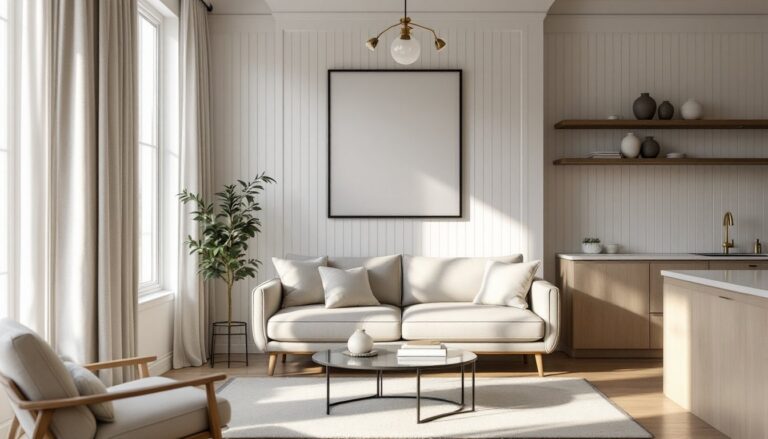

Beige gets a bad reputation as boring, but in the hands of a thoughtful designer, or a DIYer with a solid plan, it’s the foundation of understated luxury. A beige bedroom isn’t about playing it safe: it’s about creating a space that feels calm, intentional, and surprisingly versatile. Unlike stark whites or bold accent walls, beige allows you to layer textures, play with lighting, and let quality materials speak for themselves. This guide walks through the practical steps to build a high-end beige bedroom, from selecting the right paint sheen to choosing furniture that won’t disappear into the walls.
Table of Contents
ToggleKey Takeaways
- A luxury beige bedroom prioritizes quality materials, layered textures, and intentional design over bold colors, creating a calm, timeless space that supports better sleep and rest.
- Test beige paint samples on multiple walls at different times of day, as undertones shift dramatically under natural, LED, and incandescent lighting.
- Layer textures like linen, velvet, natural wood, and rattan to add depth and sophistication without breaking the neutral palette.
- Choose bedroom furniture with defined silhouettes and presence—such as oversized upholstered headboards and statement pieces—to anchor the space and prevent items from blending into beige walls.
- Implement layered lighting with dimmable ambient (3000K warm bulbs), task lighting on nightstands, and accent elements like sconces or LED strips to elevate the luxury feel and prevent beige from appearing muddy.
- Edit decor intentionally with a few large-scale pieces—oversized art, sculptural objects, and mirrors—rather than clutter with small items that disrupt the serene atmosphere.
Why Beige Is the Ultimate Luxury Bedroom Color
Beige works in luxury spaces because it doesn’t compete, it complements. High-end materials like linen, cashmere, marble, and aged wood all shine against neutral backgrounds. You’re not fighting your furnishings: you’re framing them.
From a practical standpoint, beige is forgiving. It hides minor wall imperfections better than bright white and doesn’t show dust and scuffs as quickly as darker colors. If you’re working with existing trim, flooring, or built-ins, beige adapts to warm oak, cool gray laminate, or anything in between.
Beige also has staying power. Design trends cycle through jewel tones, pastels, and moody darks, but neutral palettes remain timeless. That matters if you’re investing in quality furniture or planning to stay in your home long-term. You won’t feel pressured to repaint or replace major pieces every few years.
Finally, beige supports better sleep. Studies on bedroom color and rest quality consistently point to softer, warmer neutrals as more conducive to relaxation than stimulating hues. A beige bedroom naturally encourages wind-down routines, making it a functional choice beyond aesthetics.
Essential Design Elements for a Luxury Beige Bedroom
Choosing the Perfect Beige Palette
Not all beiges are equal. Some lean pink (often labeled “blush” or “sand”), others pull gray (“greige”), and some have yellow or green undertones. The wrong beige will clash with your lighting or make the room feel dingy.
Start by testing paint samples on at least two walls, one that gets direct sunlight and one that doesn’t. Paint a 2′ × 2′ square and observe it at different times of day. Beige shifts dramatically under incandescent, LED, and natural light.
For a cohesive luxury look, choose a primary beige for walls, then select two or three supporting neutrals in slightly different undertones or values. For example:
- Walls: Warm beige with subtle yellow undertones (e.g., Benjamin Moore “Manchester Tan” or Sherwin-Williams “Accessible Beige”)
- Trim and ceiling: Off-white or cream, one shade lighter
- Accents: Deeper taupe or soft gray for textiles and accessories
Stick to eggshell or satin finishes for walls. Flat paint hides imperfections but doesn’t clean well, problematic in a bedroom where you might lean against walls or have furniture scuffs. Semi-gloss is too reflective for a restful space unless you’re using it sparingly on trim.
Layering Textures for Depth and Sophistication
A monochromatic beige bedroom risks looking flat if you don’t vary textures. Luxury comes from tactile contrast, not color contrast.
Start with the bed. Layer linen duvet covers over cotton sateen sheets. Add a chunky knit throw or a faux fur blanket at the foot. Each material catches light differently, creating visual interest even when everything is the same hue.
For window treatments, skip basic roller shades. Use linen or silk drapes with a blackout liner if you need light control. Hang them high (just below the ceiling) and wide (extending 6″–12″ past the window frame on each side) to make the room feel taller and more expansive.
Incorporate natural materials wherever possible. A jute or wool rug anchors the space and adds warmth underfoot. A rattan headboard or reclaimed wood nightstands introduce organic texture without breaking the neutral palette. These materials also absorb sound, making the room quieter, a small detail that enhances the luxury feel.
Don’t overlook wall texture. If you’re up for a weekend project, consider Venetian plaster or a subtle stucco finish on one accent wall (typically the wall behind the bed). These techniques add dimension and a handcrafted quality. If that’s beyond your scope, grasscloth wallpaper is a strong alternative that installs like any wallpaper but delivers high-end texture.
Furniture and Decor Selections That Elevate Your Beige Bedroom
Beige rooms need furniture with presence. Avoid pieces that blend into the walls, look for defined silhouettes and quality construction.
For the bed frame, prioritize upholstered headboards in linen, velvet, or bouclé. These materials add softness and sound absorption. An oversized headboard (one that extends 6″–12″ beyond the mattress width on each side) creates a focal point and anchors the room. If you’re handy, building a DIY tufted headboard is a manageable weekend project using 3/4″ plywood, foam, batting, and fabric secured with a staple gun.
Nightstands should be proportional, about two-thirds the height of your mattress top. In a beige room, mixed materials work well: a marble or stone top on a wood or metal base. This combination introduces subtle contrast without disrupting the neutral flow.
For seating, a linen slipper chair or a tufted bench at the foot of the bed adds function and fills empty space. Choose pieces with turned legs or brass accents to introduce small metallic touches.
Decor in a beige bedroom should be intentional, not cluttered. A few key pieces:
- Large-scale art: A single oversize canvas or framed print (at least 30″ × 40″) in muted tones. Abstract or botanical prints work well.
- Sculptural vases or bowls: Ceramic, wood, or stone pieces in organic shapes.
- Mirrors: A leaner mirror (floor-standing, 6’+ tall) reflects light and expands the space visually. Position it opposite a window if possible.
Skip small tchotchkes. They create visual noise in a space meant to feel serene. If you want personality, one or two statement pieces, a handmade ceramic lamp, a vintage brass tray, carry more weight than a dozen small items.
For those building a cohesive approach across the home, principles of luxury interior design often emphasize editing down to essentials.
Lighting Strategies to Enhance Your Luxury Beige Sanctuary
Lighting makes or breaks a beige bedroom. Poor lighting turns beige muddy: good lighting makes it glow.
Start with layered lighting: ambient (overhead), task (reading), and accent (decorative). Never rely on a single ceiling fixture.
Ambient lighting should be warm and dimmable. If you have a ceiling fixture, swap in 3000K LED bulbs (warm white, not daylight). Install a dimmer switch, about $15 and a 20-minute DIY project if you’re comfortable working with electrical. Turn off the breaker, remove the old switch, connect the hot (black) and neutral (white) wires to the dimmer terminals, and mount. If you’re unsure, hire an electrician: working with live circuits is not the place to learn on the fly.
For spaces drawing from broader luxury interior planning, consistent lighting temperature across rooms helps maintain flow.
Task lighting belongs on nightstands. Choose table lamps with linen or fabric shades that diffuse light softly. Avoid clear glass or bare bulbs, which create harsh spots. Aim for lamps that put the bottom of the shade at eye level when you’re sitting up in bed, typically 24″–30″ tall.
Accent lighting adds drama. Options include:
- Wall sconces flanking the headboard (hardwired or plug-in). Position them 60″–66″ from the floor, centered over each nightstand.
- LED strip lighting behind the headboard or under a floating nightstand for a subtle glow.
- Floor lamps with adjustable arms for reading corners.
If you’re installing hardwired sconces, you’ll need to run electrical cable inside the wall, a job that requires cutting drywall, fishing wire, and patching. Unless you’re experienced, this is a good time to call in a licensed electrician. Plug-in sconces are a simpler alternative: just run the cord down the wall and behind furniture.
Finally, control natural light with intention. Sheer curtains during the day soften sunlight without blocking it. Blackout drapes or cellular shades at night provide privacy and temperature control. Insulated cellular shades can improve a room’s R-value by 2–3, which matters in poorly insulated older homes.
Conclusion
A luxury beige bedroom isn’t about expensive shortcuts, it’s about making deliberate choices in color, texture, furniture, and lighting. Test your paint, layer your textiles, choose furniture with presence, and build a lighting plan that adapts to morning and night. Done right, beige becomes the backdrop for a bedroom that feels both high-end and livable.