
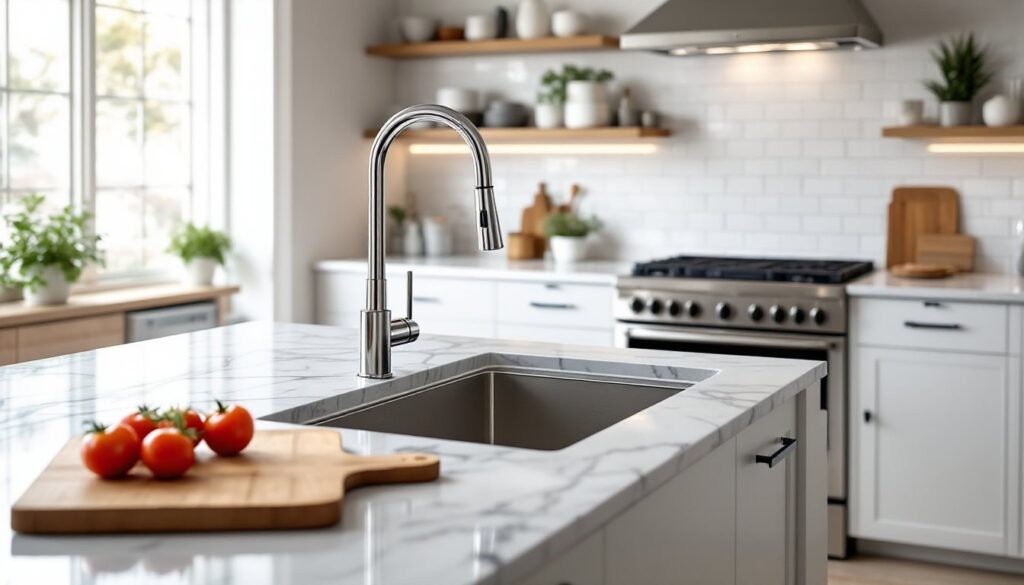
The sink is the hardest-working fixture in any kitchen, yet it’s often the last place homeowners think about spending serious money. That changes the moment someone gets their hands on a hand-hammered copper basin or runs water into a fireclay farmhouse sink with flawless enamel. Premium sinks aren’t just status symbols, they’re engineered for durability, noise suppression, and decades of daily abuse. This guide dives into eleven luxury kitchen sink brands that combine old-world craftsmanship with performance-driven design, helping homeowners make an informed investment that anchors their most-used workspace.
Table of Contents
ToggleKey Takeaways
- Luxury kitchen sink brands distinguish themselves through material quality (16–18 gauge stainless steel, fireclay, or solid copper), superior craftsmanship, and sound-dampening technology that reduces water noise by 70–80%.
- European heritage brands like Blanco, Rohl, and Franke offer timeless craftsmanship with hand-finished basins, while American artisans like Kohler and Elkay lead in engineered innovation and domestic manufacturing.
- Choosing the right luxury sink depends on bowl configuration, material maintenance tolerance, mounting style (undermount, farmhouse apron-front, or drop-in), and cabinet clearance to ensure proper fit and functionality.
- Premium luxury kitchen sink models cost $400–$3,500+ but deliver durability that outlasts multiple budget replacements, noise reduction for open floor plans, and enhanced resale value that signals quality to homebuyers.
- Professional installation ($200–$500) and material-specific maintenance—stainless requires no upkeep, while copper and concrete need periodic waxing—should factor into the total cost of ownership for any luxury sink investment.
What Makes a Kitchen Sink Brand Truly Luxurious?
Luxury isn’t just a price tag. The brands worth the premium share a few non-negotiable traits.
Material quality leads the pack. True luxury sinks use 16- to 18-gauge stainless steel (thicker = quieter, more dent-resistant), solid copper that gains character over time, or single-piece fireclay molded under extreme heat. These materials resist chipping, staining, and thermal shock better than builder-grade alternatives.
Craftsmanship and manufacturing set premium brands apart. Many European heritage labels still hand-finish basins, weld corners without visible seams, and apply multi-layer glazes that won’t craze. American artisan brands lean into sound-dampening technology, rubber coatings, dense pads, and mass-loaded vinyl layers that can drop water noise by 80% compared to bare steel.
Design versatility matters, too. Luxury brands offer deep bowls (10+ inches for stacking sheet pans), integrated drainboards, and accessories like custom-fit cutting boards or colanders. Mounting flexibility, undermount, farmhouse apron-front, or flush-mount options, lets the sink adapt to any countertop material.
Finally, warranty and service. Reputable brands back their sinks with limited lifetime warranties and responsive customer support. If a drain assembly cracks or a finish discolors prematurely, you’re not hunting for a third-party part or eating the replacement cost.
Top Luxury Kitchen Sink Brands for Discerning Homeowners
European Heritage Brands: Timeless Craftsmanship
Blanco (Germany) has been forging sinks since 1925. Their Silgranit composite material resists scratches, heat up to 536°F, and stains from wine or coffee without sealing. Blanco’s undermount models feature hygienic welded corners and sound-deadening pads standard. Expect to pay $400–$1,200 for a single-bowl Silgranit sink.
Rohl (UK heritage, US operations) specializes in fireclay farmhouse sinks with hand-poured enamel finishes. Their Shaws Original line uses clay fired at 2,000°F, creating a glassy, chip-resistant surface. The apron-front design requires a custom cabinet base (usually 33 or 36 inches wide, so plan during the cabinet order). Prices run $1,000–$2,500.
Franke (Switzerland) offers precision-engineered stainless with 18/10 chrome-nickel content for maximum corrosion resistance. Their Professional Series sinks feature integrated ledges for accessories and sloped bottoms that drain completely. Many high-end kitchen remodels showcase Franke undermounts for their clean, commercial aesthetic. Budget $600–$1,800.
Villeroy & Boch (Germany/France) brings ceramic expertise from their tile and tableware divisions. Their TitanCeram material is a proprietary blend that’s harder than standard fireclay and comes in matte or gloss finishes. Installation requires solid countertop support, these sinks weigh 60+ pounds. Pricing starts around $900.
American Artisan Brands: Innovation Meets Durability
Kohler dominates the US luxury market with options from cast iron (enameled in 40+ colors) to stainless and even quartz composite. Their Stages series includes tiered basins with built-in prep zones. Kohler’s Whitehaven farmhouse apron-front line is a favorite on design inspiration boards, available with short or tall aprons to fit different cabinet heights. Cost: $700–$2,000.
Native Trails (California) handcrafts hammered copper and NativeStone concrete composite sinks. The copper develops a living patina: the concrete is sealed but requires periodic wax treatment. These are statement pieces, expect bold texture and artisan inconsistencies (which is the point). Sinks range from $1,200–$3,500. Copper models need a water pH test before install: acidic water accelerates patina.
Linkasink (California) makes small-batch art sinks in bronze, copper, and stainless with hand-applied finishes like oil-rubbed bronze or pewter. They’re typically prep or bar sinks (15–20 inches), not primary basins. Installation is standard undermount: the drama is in the finish. Budget $800–$2,000.
Elkay (Illinois) engineered the first stainless steel sink in the US and still manufactures domestically. Their Crosstown series uses 16-gauge, 10-inch-deep bowls with a commercial-grade satin finish that hides scratches. Sound-deadening pads and stone composite undercoating come standard. Prices: $500–$1,400, premium performance without the European markup.
Moen offers SoundShield technology across their stainless line, extra-thick rubber pads plus a dense stone coating that rivals custom installs. Their 1800 Series sinks include a rear-draining bottom that slopes subtly, preventing standing water. Cost-effective luxury at $400–$900.
Signature Hardware (Kentucky) curates copper, fireclay, and cast bronze sinks from global artisans under their own label. Their Fiona fireclay line mimics high-end European imports at half the price ($600–$1,000). Quality control can be variable, so inspect on delivery.
Rachiele (custom, US) builds bespoke workstation sinks in stainless or copper with integrated drainboards, cutting boards, and colanders machined to fit. Every sink is made to order, lead times run 8–12 weeks. Perfect for serious home cooks willing to invest $3,000–$6,000 for a centerpiece that does triple duty.
How to Choose the Right Luxury Sink for Your Kitchen
Start with bowl configuration. Single bowls (30–36 inches) handle roasting pans and baking sheets without gymnastics. Double bowls (50/50 or 60/40 splits) let one side handle soaking while the other preps. Low-divide or barrier-free designs split the basin but keep the divider under 5 inches, so large items still fit.
Material choice hinges on maintenance tolerance. Stainless requires no special care but shows water spots. Fireclay and cast iron resist stains and heat but chip if you drop a cast-iron skillet from height, though premium brands often provide touch-up kits. Copper and concrete need periodic sealing or waxing.
Mounting style affects both look and countertop requirements. Undermount sinks need solid-surface or stone counters with a finished edge (laminate won’t work without a metal rim, which kills the aesthetic). Farmhouse apron-front sinks jut past the cabinet face, so the countertop stops short, this requires custom cabinet work during the build or remodel. Drop-in/top-mount sinks fit a cut hole with a visible rim: they’re easiest to retrofit but less seamless.
Sizing and clearance matter more than most homeowners expect. Measure the interior cabinet width (not the door). A 33-inch sink needs a 36-inch cabinet minimum: a 36-inch sink needs 39 inches. Check for dishwasher and disposal clearance before ordering a deep bowl, 10-inch depths can crowd plumbing, especially in older homes with shallow drain lines.
Accessories elevate a luxury sink from nice to indispensable. Look for brands offering custom cutting boards, bottom grids (protect the basin from scratches), colander inserts, and drying racks that sit over the bowl. Kohler, Franke, and Elkay lead here: artisan brands sometimes skimp.
Investment Considerations: Are Luxury Kitchen Sinks Worth the Price?
A builder-grade stainless sink runs $150–$300. A luxury model can hit $2,000+. That delta buys tangible performance.
Durability is the first return. Premium sinks use thicker steel or denser composites that resist dents, stains, and wear. A 16-gauge Elkay or Blanco Silgranit will outlast two or three cheap replacements over a 20-year span. Fireclay and copper improve with age rather than degrade.
Noise reduction matters if the sink backs onto living space or an open floor plan. Sound-dampened luxury sinks cut water noise by 70–80%, which makes a $900 Moen 1800 feel like an upgrade every single day.
Resale value gets a bump. Real estate agents and buyers notice high-end fixtures. Features often highlighted in luxury home listings, like a farmhouse fireclay sink or hammered copper basin, signal attention to detail and quality. You likely won’t recoup 100% of the sink cost, but it contributes to the overall kitchen appeal.
Total cost of ownership includes installation (undermount and farmhouse styles require skilled labor, budget $200–$500 for a plumber or countertop installer) and maintenance. Stainless and fireclay need zero upkeep. Copper and concrete require occasional waxing. Factor that in if you’re short on time.
Regional pricing swings are real. A Kohler Whitehaven lists for $1,400 online but might cost $1,600 installed in a high-cost metro area. Shop local showrooms for floor models or minor blemishes (“scratch-and-dent” luxury sinks are still luxury sinks).
If you cook daily, wash oversized cookware, or plan to stay in the home 10+ years, the investment pencils out. If you’re flipping in two years, a mid-tier brand like Kraus or Vigo offers 90% of the look at half the cost.
Conclusion
Luxury kitchen sinks earn their premium through materials that last, engineering that performs, and design that elevates everyday tasks. Whether it’s a hand-hammered copper basin from Native Trails or a sound-dampened Elkay Crosstown, the right sink becomes the anchor of a hardworking, beautiful kitchen. Measure twice, choose a brand with a solid warranty, and don’t skimp on professional installation, this fixture sees more action than anything else in the house.