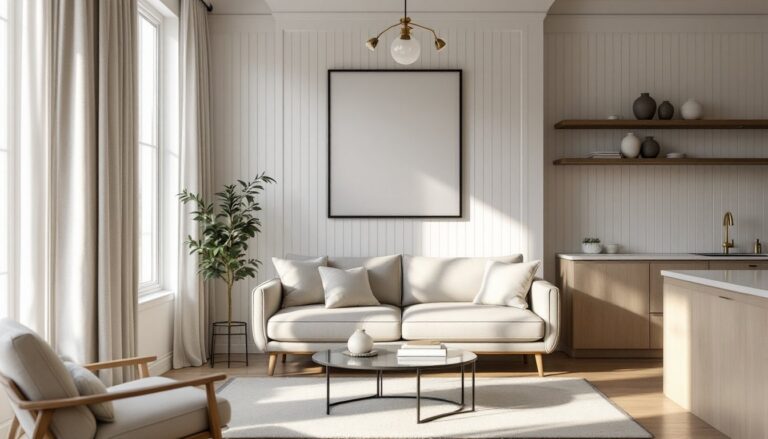

A small bedroom doesn’t mean compromising on luxury. In fact, compact spaces offer unique opportunities to create intimate, high-end retreats that feel more curated and intentional than sprawling suites. With the right design choices, a 10×10 bedroom can rival the ambiance of a boutique hotel. The trick lies in thoughtful material selection, strategic lighting, and smart spatial planning. This guide walks through practical techniques to elevate a small bedroom from cramped to luxurious, without requiring a gut renovation or contractor-level budget.
Table of Contents
ToggleKey Takeaways
- A small luxury bedroom leverages tight square footage to create intentional, curated spaces where every design decision carries more weight than sprawling rooms.
- Restraint, proportion, and cohesion are the three pillars of luxury small bedrooms—choose essential furniture in proper scale and maintain a unified color palette to avoid visual clutter.
- Light monochromatic palettes and layered textures (linen, wool, velvet, leather) expand perceived space and create richness without requiring expanded footage.
- Strategic lighting with dimmers, wall-mounted sconces, and accent LEDs transforms small bedrooms from flat to dimensional and elegant.
- Premium materials become accessible in small spaces—high-thread-count bedding, quality paint, upgraded trim, and luxury vinyl flooring deliver outsized impact at realistic budgets.
- Smart storage solutions like under-bed drawers, floating shelves, and wall-mounted racks maintain the luxury feel by keeping clutter invisible and surfaces minimal.
Why Small Bedrooms Can Feel More Luxurious
Smaller footprints naturally encourage intimacy and coziness, qualities that large, echo-prone bedrooms often lack. In compact rooms, every design decision carries more weight. There’s less space to fill with afterthought furniture or random decor, which forces intentionality.
High-end hotels have proven this principle for decades. Many luxury suites hover around 200–300 square feet but feel opulent because every inch is considered. Layered textures, custom millwork, and carefully edited palettes create richness without clutter.
Small spaces also make premium materials more accessible. Covering 120 square feet of flooring in engineered hardwood or luxury vinyl plank costs significantly less than outfitting a 250-square-foot primary suite. The same logic applies to wallpaper, trim upgrades, and high-thread-count bedding. A smaller canvas means splurging on quality becomes realistic.
Essential Design Principles for Small Luxury Bedrooms
Luxury in tight quarters hinges on three pillars: restraint, proportion, and cohesion. Overcrowding a small bedroom with furniture or competing styles kills the high-end vibe faster than cheap finishes.
Restraint means editing ruthlessly. Stick to essential pieces, bed, nightstand, dresser or wardrobe, and skip the accent chair if it cramps circulation. Aim for at least 24 inches of clearance around the bed for comfortable movement. In rooms under 100 square feet, consider wall-mounting nightstands or using floating shelves to reclaim floor space.
Proportion matters more in small rooms. Oversized furniture makes the space feel like a showroom floor sample, while too-small pieces look like dollhouse rejects. A queen bed fits most rooms 10×12 feet or larger: for anything smaller, a full-size frame maintains scale without sacrificing comfort.
Cohesion ties everything together. Choose a unified palette and carry it through walls, textiles, and accents. Avoid the temptation to introduce too many finishes, brass hardware, matte black fixtures, and chrome accents all in one room creates visual noise.
Choosing the Right Color Palette and Textures
Color sets the mood, and in small bedrooms, it can either amplify or shrink perceived space. Light, monochromatic schemes, soft grays, warm whites, muted taupes, reflect natural light and visually expand walls. That doesn’t mean going sterile: layering shades within the same color family adds depth without fragmentation.
Dark, moody palettes work too, but they require commitment. Deep navy, charcoal, or forest green can feel cocoon-like and sophisticated when paired with high-contrast trim (crisp white baseboards and crown molding) and ample lighting. Skip dark walls if the room lacks natural light or has low ceilings under 8 feet.
Texture compensates for limited square footage. Combine linen bedding, a wool or faux-fur throw, velvet or leather accent pillows, and a textured rug (jute, low-pile wool, or a vintage-style Persian). These tactile layers create richness that paint alone can’t deliver. Design portfolios on Home Bunch frequently showcase how mixing materials elevates restrained palettes.
Furniture Selection and Layout Strategies
In small luxury bedrooms, every piece of furniture earns its spot. Start with the bed, it’s the anchor. Upholstered headboards with tufting or channel stitching instantly add a custom, high-end look. If buying new isn’t in the budget, a DIY headboard using 1×6 pine boards and foam padding wrapped in velvet or linen costs under $150 in materials.
Ditch bulky nightstands in favor of wall-mounted floating shelves or narrow pedestal tables (12–16 inches deep). These maintain bedside functionality without eating floor space. If the room allows only one nightstand, place it on the side you use most and balance the opposite wall with a tall, narrow bookshelf or floor lamp.
For storage, prioritize vertical solutions. A tall dresser (5–6 drawers) has a smaller footprint than a wide, low credenza. Wall-mounted clothing racks or a compact wardrobe work in rooms without closets. Avoid placing furniture against every wall, floating the bed a few inches off the wall or angling a dresser creates breathing room and prevents the “pushed into corners” look.
Leave clearances practical: 36 inches at the foot of the bed for comfortable passage, and at least 24 inches on the bed’s access side. Measure before buying, there’s no faster way to kill a luxury feel than cramming in furniture that doesn’t fit.
Lighting Techniques That Elevate Small Spaces
Lighting transforms small bedrooms from flat to dimensional. Luxury spaces never rely on a single overhead fixture, they layer ambient, task, and accent lighting.
Ambient lighting provides overall illumination. A flush-mount or semi-flush ceiling fixture works in rooms with 8-foot ceilings: anything taller can handle a small chandelier or pendant (18–24 inches in diameter for a 10×12 room). Dimmer switches are non-negotiable, they cost around $15–$25 installed and let the room shift from bright and functional to soft and restful.
Task lighting includes bedside reading lamps or wall-mounted sconces. Swing-arm sconces save nightstand space and direct light exactly where needed. Wire them during construction or renovation for a clean look: plug-in versions with fabric-covered cords work for retrofits.
Accent lighting adds drama. LED strip lights installed behind a floating headboard or along the baseboard create a soft glow that makes walls recede. Picture lights above artwork or a small table lamp on a dresser add points of interest.
Natural light deserves attention too. Swap heavy drapes for linen or sheer curtains mounted at ceiling height (not at the window frame) to elongate walls. If privacy allows, skip window treatments entirely, unobstructed glass maximizes daylight. Rooms facing north or with limited windows benefit from mirrors placed opposite windows to bounce light around. Many strategies for maximizing light appear in guides on Apartment Therapy, particularly in their small-space walkthroughs.
High-End Materials and Finishes on a Budget
Luxury doesn’t always require luxury pricing. Strategic upgrades in high-impact areas fake a full renovation.
Start with paint. Premium paints (Sherwin-Williams Emerald, Benjamin Moore Aura) cost $60–$80 per gallon but cover better and wear longer than builder-grade options. One gallon covers roughly 350–400 square feet, so a small bedroom needs just one or two gallons. Choose a matte or eggshell finish for walls, it hides imperfections and reads more sophisticated than satin.
Trim and molding upgrades punch above their weight. Swapping standard 2¼-inch baseboards for 3½- to 5¼-inch profiles costs around $1.50–$3.00 per linear foot in materials. Adding crown molding (simple 3-inch profiles run $1–$2 per linear foot) creates architectural interest. Paint trim in a contrasting color, high-gloss white against matte walls, for a tailored look.
Flooring makes or breaks the luxury feel. If replacing carpet, engineered hardwood ($3–$8 per square foot) or luxury vinyl plank (LVP) with realistic wood grain ($2–$5 per square foot) both install as floating floors, making them DIY-friendly. For renters or budget constraints, large area rugs (at least 8×10 for a queen bed) anchor the space and hide subpar flooring.
Hardware and fixtures seem minor but register immediately. Swap builder-grade door knobs and drawer pulls for brushed brass, matte black, or polished nickel options ($5–$15 each). Replace plastic light-switch plates with metal versions ($3–$8 each). These tweaks cost under $100 total but deliver an outsized return.
Textiles offer another shortcut. High-thread-count sheets (400+), a linen duvet cover, and euro shams create a five-star bed without custom furniture. Layer a quilted coverlet or lightweight throw at the foot for depth. If budget allows one splurge, make it the bedding, guests notice, and so will anyone trying to sleep.
Storage Solutions That Maintain the Luxury Feel
Clutter kills luxury faster than dated finishes. Small bedrooms demand smart storage that stays invisible or integrates seamlessly into the design.
Under-bed storage is the easiest win. Platform beds with built-in drawers cost $400–$900 but eliminate the need for a separate dresser. Rolling storage bins (low-profile, 6-inch height) slide under standard bed frames and hold off-season clothes or extra linens. Bed skirts hide the bins while adding a finished look.
Closet optimization matters even in tiny bedrooms. Double-hang rods (one at 40 inches, one at 80 inches) instantly double hanging capacity. Add shelf dividers to prevent sweater piles from toppling. Slimline hangers (velvet or wood, not wire) save 30% more rod space than plastic versions.
Wall-mounted solutions keep floors clear. Floating shelves (10–12 inches deep) above nightstands or dressers hold books, decor, or folded clothes. Peg rails or wall hooks behind the door handle bags, robes, or tomorrow’s outfit. For a more polished look, built-in niches or shallow cabinets (8–10 inches deep) flanking the bed provide storage without protruding into the room. These require basic framing skills, 2×4 studs to build the frame, drywall, and paint, but feel custom.
Furniture with hidden storage serves double duty. An upholstered storage bench at the foot of the bed holds blankets or shoes while providing seating. Nightstands with drawers or cabinets (versus open shelves) keep clutter out of sight. Interior design transformations showcased on MyDomaine often highlight how integrated storage preserves clean lines in luxury bedroom layouts.
Keep surfaces minimal. One small tray on the nightstand for essentials (phone, watch, lamp) prevents tchotchke creep. A single piece of art or a mirror above the dresser beats a gallery wall that fragments attention. In small rooms, less truly registers as more, especially when the “less” is carefully chosen and beautifully executed, principles central to luxury home interiors.